MEP stands for Mechanical, Electrical, and Plumbing in construction. These three systems are the essential services that help a building operate properly by providing heating and cooling, electricity, water supply, drainage, and other important functions.
Unlike structural elements such as walls, foundations, and columns, MEP systems focus on the internal operations of a building. They are responsible for creating a comfortable, safe, and efficient environment for the people who use the space.
What Are The Roles of MEP Engineers in Construction?
M: Mechanical Engineering
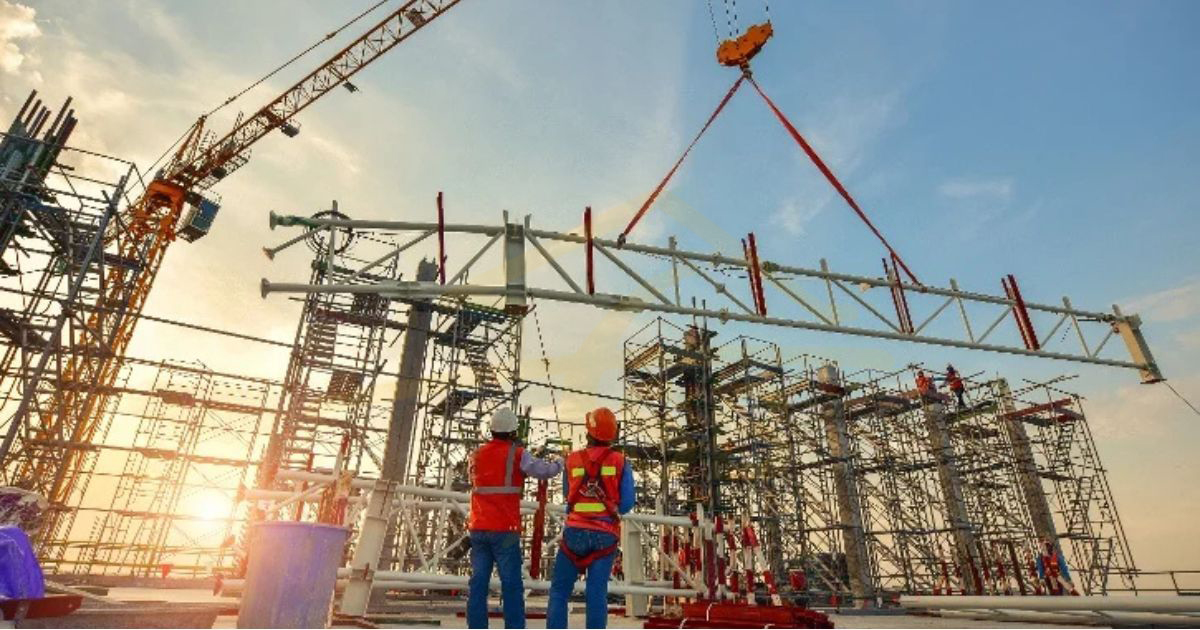
Mechanical engineering is an important part of Building construction that focuses on systems responsible for indoor comfort, temperature control, and air quality. It mainly includes heating, ventilation, and air conditioning (HVAC) systems that help maintain a comfortable environment inside buildings.
Mechanical systems may include air conditioning units, ventilation systems, chillers, boilers, and exhaust solutions. Mechanical engineers design these systems according to building size, usage, and energy requirements to ensure efficient performance.
E: Electrical Engineering
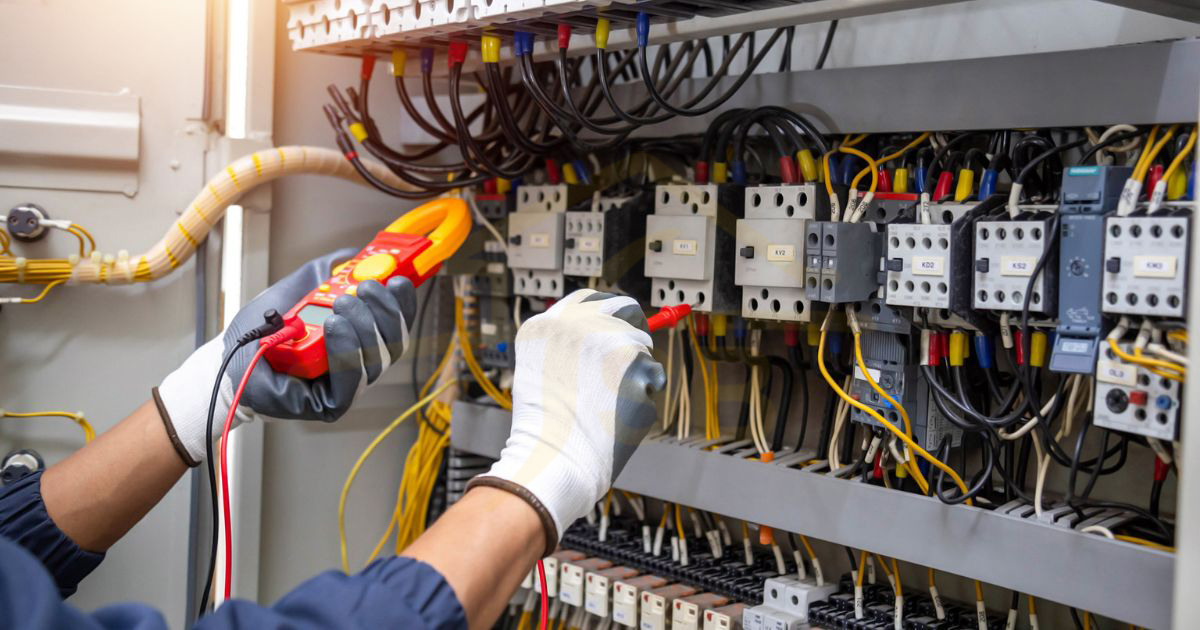
Electrical engineering is an essential part of MEP construction that focuses on creating and managing a building’s electrical systems. It includes power supply, wiring, lighting, and control systems that help buildings run safely and smoothly every day.
A good electrical design improves safety, saves energy, and ensures reliable power throughout the building. MEP engineers plan these systems carefully and coordinate them with mechanical and plumbing services for better performance.
P: Plumbing Engineering

Plumbing engineering focuses on designing and managing the water-related services of a building. It covers the planning of water supply, drainage, wastewater removal, and fire protection systems to ensure proper water flow and safe building operations.
Plumbing engineering includes the design of piping layouts, water distribution networks, and drainage solutions based on building requirements.Plumbing Engineers coordinate these systems with other MEP services to prevent issues, improve efficiency, and maintain reliable performance throughout the building.
Planning a Construction Project? Get Professional MEP Design Solutions!
Contact Us
Why Are MEP Systems Important in Construction?
MEP systems are important in construction because they provide the essential services that make buildings comfortable, safe, and efficient. Mechanical, electrical, and plumbing systems work together to control indoor conditions, deliver power and water, and support the smooth operation of residential, commercial, and industrial buildings.
Improves Building Comfort
A well-designed MEP system improves indoor comfort by controlling temperature, airflow, lighting, and water supply. HVAC systems maintain air quality, while electrical and plumbing services support daily building needs.
Enhances Safety
MEP design improves building safety through electrical protection, fire alarms, emergency lighting, and fire suppression systems. These solutions help protect occupants and reduce potential risks.
Reduces Long-Term Costs
Efficient MEP planning lowers energy consumption and maintenance expenses. Proper equipment selection, smart controls, and accurate installation help prevent costly repairs and improve system performance.
Ensures Code Compliance
MEP systems are designed according to building codes and safety regulations. Proper engineering ensures smooth inspections, correct installation, and fewer compliance issues during construction projects.
Supports Sustainable Construction
Modern MEP solutions improve resource efficiency through energy-saving equipment, smart technologies, and water management systems. They help create environmentally friendly buildings with better long-term performance.
How Can MEP Engineers Help in Construction Projects?
MEP engineers help construction projects by planning, designing, and coordinating mechanical, electrical, and plumbing systems throughout the building process. They work with top architects, contractors, and project management teams to ensure all services are properly integrated, efficient, and compliant with safety standards.
Additionally, MEP engineers prepare and manage essential construction documents, including:
- Detailed drawings and layouts showing floor plans, elevations, sections, and system arrangements.
- Technical specifications defining equipment requirements, materials, and installation standards.
- Material and product schedules outlining the components needed for project execution.
- Installation procedures explaining how systems, materials, and equipment should be installed correctly.
Their involvement helps reduce design conflicts, improve coordination between teams, and ensure smooth execution of MEP systems from planning to completion.
MEP Construction Process: From Design to Execution
The MEP construction process involves several stages, starting from initial planning and design to final installation and testing. A structured approach ensures that mechanical, electrical, and plumbing systems are properly coordinated and work efficiently within the building.
The main stages of the MEP construction process include:
- Planning and Design: MEP engineers analyze project requirements and create detailed system designs, layouts, and specifications.
- Coordination and Review: Designs are reviewed with architects and contractors to identify clashes and ensure smooth integration with the building structure.
- Installation: Skilled teams install mechanical, electrical, and plumbing components according to approved drawings and standards.
- Testing and Commissioning: All systems are tested to confirm proper performance, safety, and readiness before the building is occupied.
Common Challenges in MEP Construction and Their Solutions
MEP construction involves multiple systems that require proper planning and coordination. Without accurate management, projects may face delays, higher costs, and installation issues.
Poor Coordination Between Systems
Conflicts between pipes, ducts, and electrical layouts can delay construction. Proper MEP designs and coordination reviews help detect clashes early.
Design Changes During Construction
Frequent changes can affect timelines and budgets. Detailed planning and clear communication help reduce project disruptions.
Limited Space for MEP Installations
Restricted areas for equipment and service routes can create installation challenges. Smart space planning helps achieve efficient layouts.
Cost and Time Management Issues
Incorrect estimates and material delays can increase expenses. Accurate planning and coordination help control project costs.
Meeting Safety and Code Requirements
MEP systems must follow safety standards and building codes. Professional engineering ensures reliable and compliant installations.
Lack of Maintenance Planning
Poor maintenance planning can create future repair issues. Considering maintenance needs early improves long-term system performance.
Final Conclusion
MEP systems are essential for modern buildings, providing the comfort, safety, and efficiency needed for smooth operation. Proper planning of mechanical, electrical, and plumbing services helps reduce construction issues and improve long-term performance.
With professional MEP design and engineering services, experienced specialists can help create reliable, efficient, and well-coordinated building systems. Contact us today to discuss your MEP requirements and get expert support for your next project.
Frequently Asked Questions
How Much Does MEP Contribute to Overall Construction Cost?
MEP systems can represent a significant portion of a construction budget because they include essential services like HVAC, electrical, plumbing, and safety systems. The exact cost depends on the building type, size, design complexity, and required equipment.
What Is the Difference Between MEP and HVAC?
MEP is a broader term that includes Mechanical, Electrical, and Plumbing systems, while HVAC is only one part of mechanical engineering. HVAC mainly focuses on heating, cooling, ventilation, and indoor air quality.
Is MEP Part of Civil Engineering?
MEP is related to construction engineering but is usually considered a separate specialization. MEP engineers work alongside civil engineers, architects, and contractors to design and coordinate building service systems.
What Does a MEP Engineer Do?
A MEP engineer designs, plans, and manages mechanical, electrical, and plumbing systems in construction projects. They create layouts, coordinate with teams, check installations, and ensure systems meet safety and performance requirements.