When you walk through a city, you see all kinds of structures. There are towering glass
skyscrapers, brick shopping centers, old wooden barns, and modern suburban houses. While
they all look different on the outside, architects and firefighters look at them very differently.
They categorize every single structure into one of five specific Building Construction Types.
Understanding these categories isn't just for engineers. It helps business owners, homeowners,
and safety experts understand how safe a building is, how much it costs to insure, and how it
will react if a fire ever starts.
This guide breaks down the 5 types of building construction in simple terms. We will explore
what materials are used, how safe they are, and why these classifications matter more than
ever in 2026.
What Does "Construction Type" Actually Mean?
Before diving into the list, it is important to understand how these types are ranked. In the
United States, the International Building Code (IBC) organizes buildings from Type I to Type V.
Think of it as a countdown. Type I is the strongest and most fire-resistant, while Type V is the
most combustible (meaning it burns easily). The code looks at how long the main parts of the
building—like the walls, columns, beams, and roof—can withstand a fire before they collapse.
This rating helps firefighters decide how to approach a burning building and tells builders what
materials they are allowed to use. A professional construction company in Lahore would be
well-versed in these international standards, adapting them to local regulations to ensure safety
and compliance in their projects.
Type I: Fire-Resistive Construction
Type I buildings are the heavyweights of the construction world. These are the toughest, safest,
and most durable structures you can build. When you see a massive skyscraper touching the
clouds or a major hospital, you are looking at Type I construction.
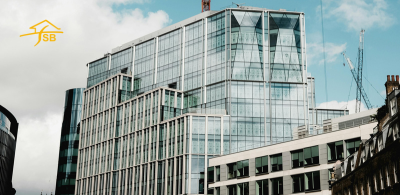
The defining feature of this type is that all the structural components are made of
non-combustible materials, usually reinforced concrete and protected steel. These materials are
designed to resist fire for a long time, typically between three to four hours. This window of time
is crucial because it allows hundreds of people in a tall building to evacuate safely before there
is any risk of the structure falling down.
Because these buildings are so safe, the building code allows them to be built at unlimited
heights and sizes. However, this level of safety comes with a price. Type I buildings are the
most expensive to build and take the longest to complete. You won't find wood in the frame of
these buildings; they are built to last and designed to survive the worst-case scenarios.
Type II: Non-Combustible Construction
Type II construction is very similar to Type I, but with a few key differences. Like its stronger
cousin, Type II buildings are made of non-combustible materials like steel and concrete. The
walls and roof won't catch fire, which makes them much safer than wooden buildings.
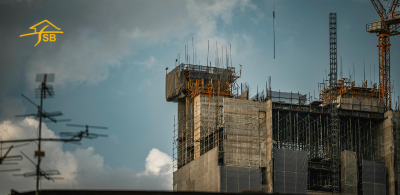
The main difference lies in the level of fire protection. While Type I buildings cover their steel in
thick fireproofing material, Type II buildings often leave the steel exposed or have less fire
protection. If a fire gets hot enough, the metal roof deck or steel beams could eventually weaken
and twist, potentially leading to a collapse faster than in a Type I building.
You will often see Building Construction Types like this used for modern schools, shopping
malls, and large box stores (like a supermarket). They are still very safe and sturdy, but because
they don't have that extra layer of extreme fireproofing, they cost less to build. They are a smart
middle ground for commercial buildings that don't need to be skyscrapers but still need to be
durable.
Type III: Ordinary Construction
Type III is often called "Ordinary" construction, but don't let the boring name fool you. These
buildings are a unique mix of materials. This type is very common in older cities and "Main
Street" districts. If you see a building with red brick walls on the outside but wooden floors on
the inside, it is likely Type III.

The rule for Type III is simple: the exterior walls must be made of non-combustible materials like
brick, concrete block, or stone. However, the interior guts of the building—the floors, the roof,
and the framing—are made of wood.
This mix creates a specific safety challenge. The brick walls hold up well in a fire, but the
wooden inside can burn. This can create a "chimney effect" where fire spreads through the
inside of the walls or through the attic. To make these safer, modern Type III buildings often use
"tilt-up" concrete walls. Warehouses, older schools, and apartment buildings often fall into this
category. They are popular because they offer the strength of masonry walls without the high
cost of using steel for the entire structure.
Type IV: Heavy Timber Construction
Type IV is one of the most interesting of the 5 types of building construction. Known as
"Heavy Timber," these buildings use massive pieces of wood for their columns, beams, and
floors. You might recognize this style in old factories that have been turned into trendy loft
apartments or breweries, where the thick wooden beams are left exposed for decoration.
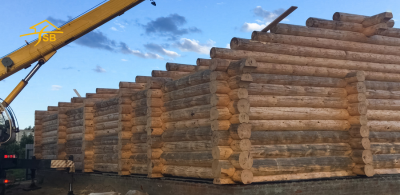
You might wonder why a wood building is ranked higher than modern wood homes. The secret
is in the size of the timber. These pieces of wood are so thick (at least 8 inches in diameter) that
they don't burn like normal lumber. Instead of catching fire quickly, they char on the outside. This
outer layer of char acts like a shield, protecting the inside of the wood and keeping the building
standing for a long time during a fire.
In 2026, Type IV is seeing a major comeback in the form of "Mass Timber" or Cross-Laminated
Timber (CLT). Architects are now using high-tech, super-strong wood panels to build
eco-friendly mid-rise buildings. It offers the beauty of wood with a safety rating that rivals steel
and concrete
Type V: Wood-Frame Construction
Finally, we have Type V, the most common type of construction in residential areas. If you live in
a single-family home or a small apartment complex, you are likely living in a Type V structure.
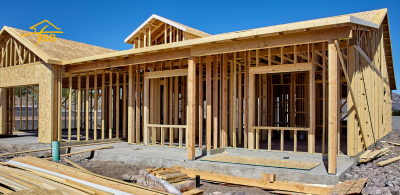
This category includes any building where the walls, floors, and roof are made of wood that is
smaller than the heavy timber used in Type IV. Usually, this means "stick-built" frames using 2x4
or 2x6 studs and plywood. The biggest advantage of Type V is the cost and speed. These
buildings are cheap to design and can be built very quickly.
The downside is that Type V is the most combustible. Because the structure is made of light
wood, it can fuel a fire rapidly. If a fire starts, the building can collapse in a matter of minutes if it
isn't protected. To solve this, modern building codes require Type V buildings to have safety
features like fire-resistant drywall and sprinkler systems. These additions help slow down the
fire, giving families time to get out safely.
Why Knowing These Types Matters
Understanding these construction categories helps us see our built environment differently. It
explains why a skyscraper costs millions of dollars and why your house is built out of wood. It is
all about balancing safety, cost, and purpose.
For anyone looking into Building Construction Types, remembering this hierarchy from Type I
(the strongest) to Type V (the most common) is the first step in understanding how our cities and
towns are designed. Whether you are planning a renovation with experts such as Syed
Brothers, looking at office space, or just curious about the buildings you pass every day,
knowing what lies beneath the paint and plaster is a valuable skill.